Welcome to the official fundraising website for Kateřina Burová.
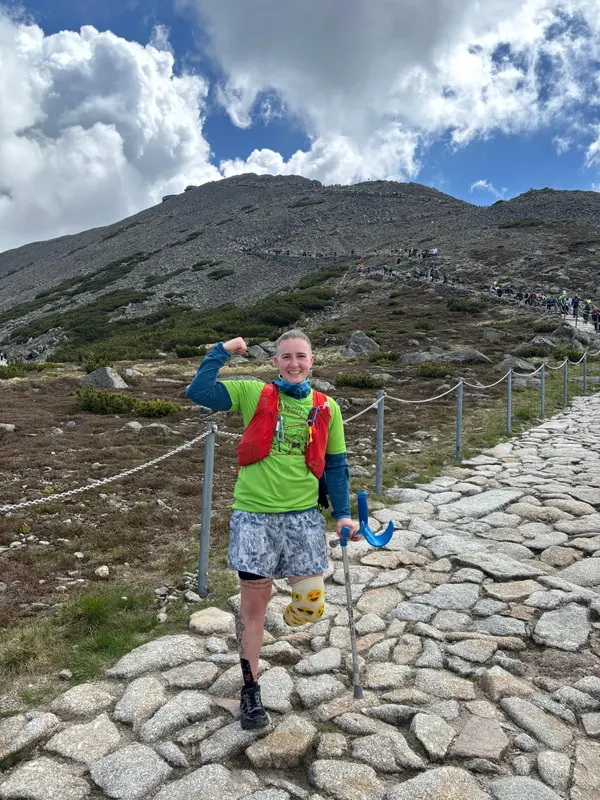
Due to a serious neurological disease, I lost my leg. Now I want to fight my way to the World Championships and the Paralympics.
Sport has been my greatest passion since childhood — I competed in both ski racing and football. The illness put my life on hold for a few years, but my determination never wavered.
"I don't just want to walk — I want to live again."
Sports Achievements
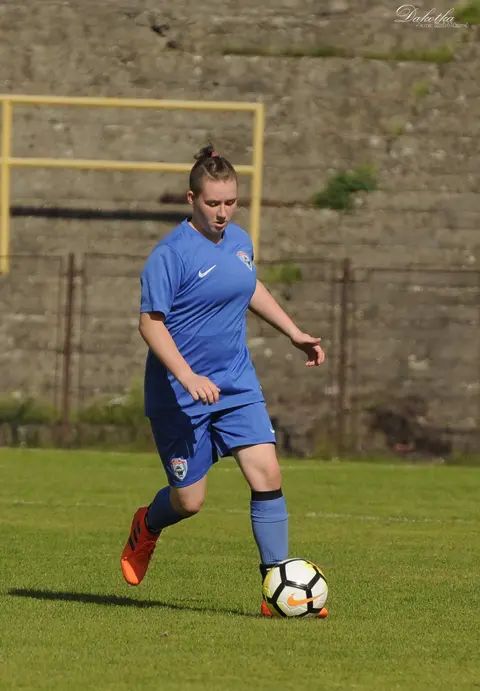
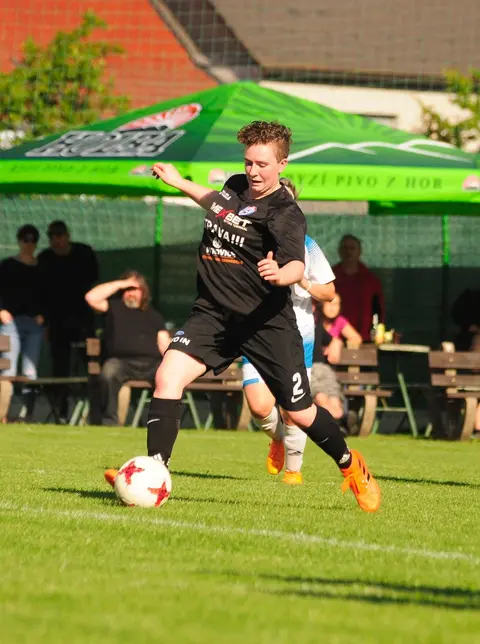
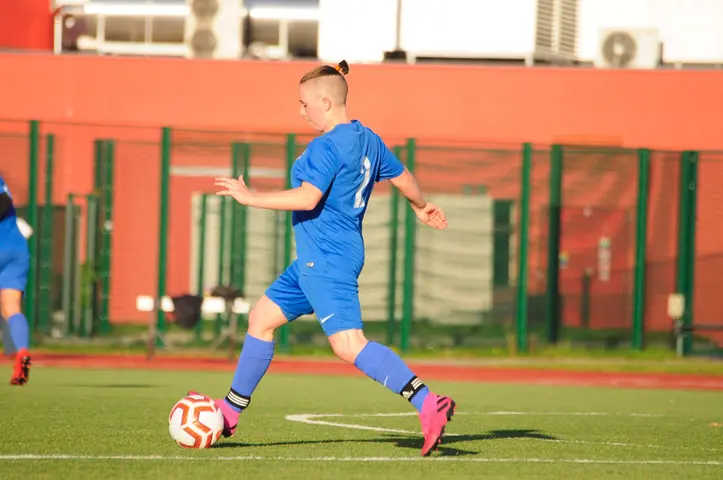
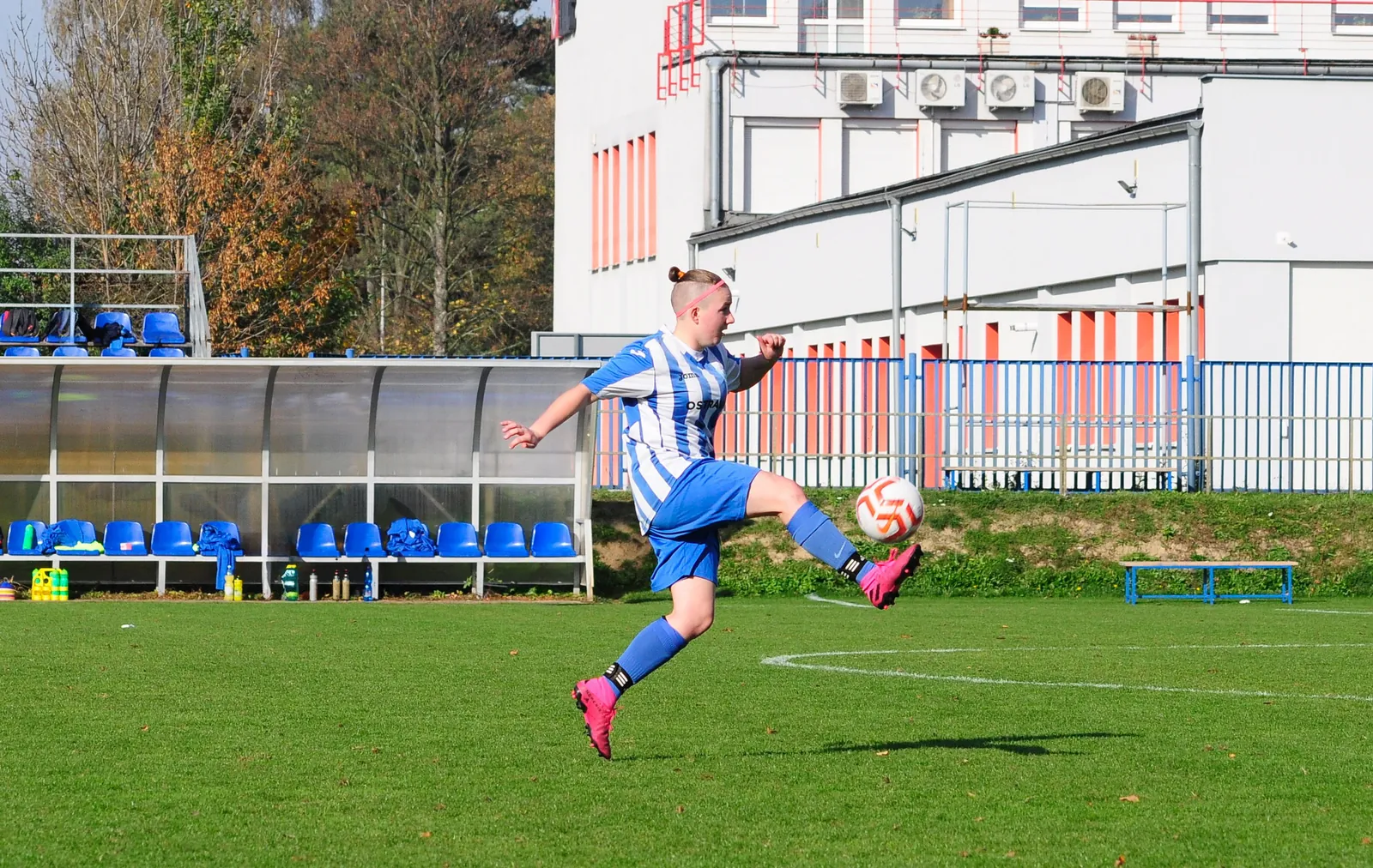
I played football from youth categories for my hometown club TJ Sokol Mosty u Jablunkova, later for the girls' team MFK Vítkovice. My main position was centre-back, though I also played as a striker and goalkeeper.
I then transferred to FC Baník Ostrava, who were playing in the Czech second division at the time. There I played as a defensive midfielder. I even received an invitation to the U-19 national team camp. That was all I managed before everything changed…
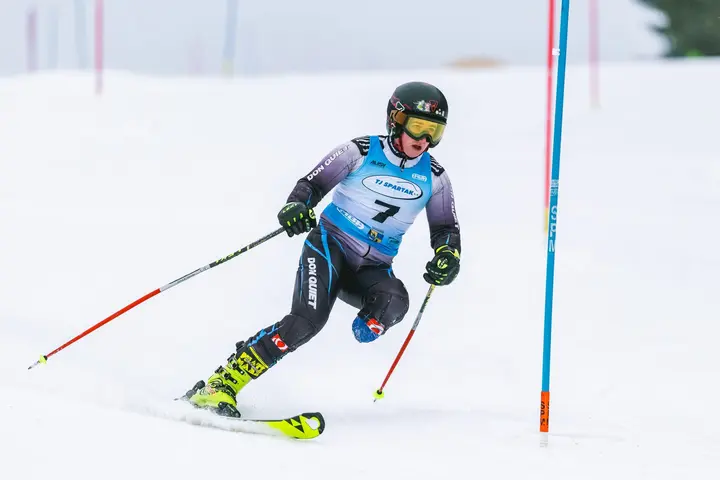
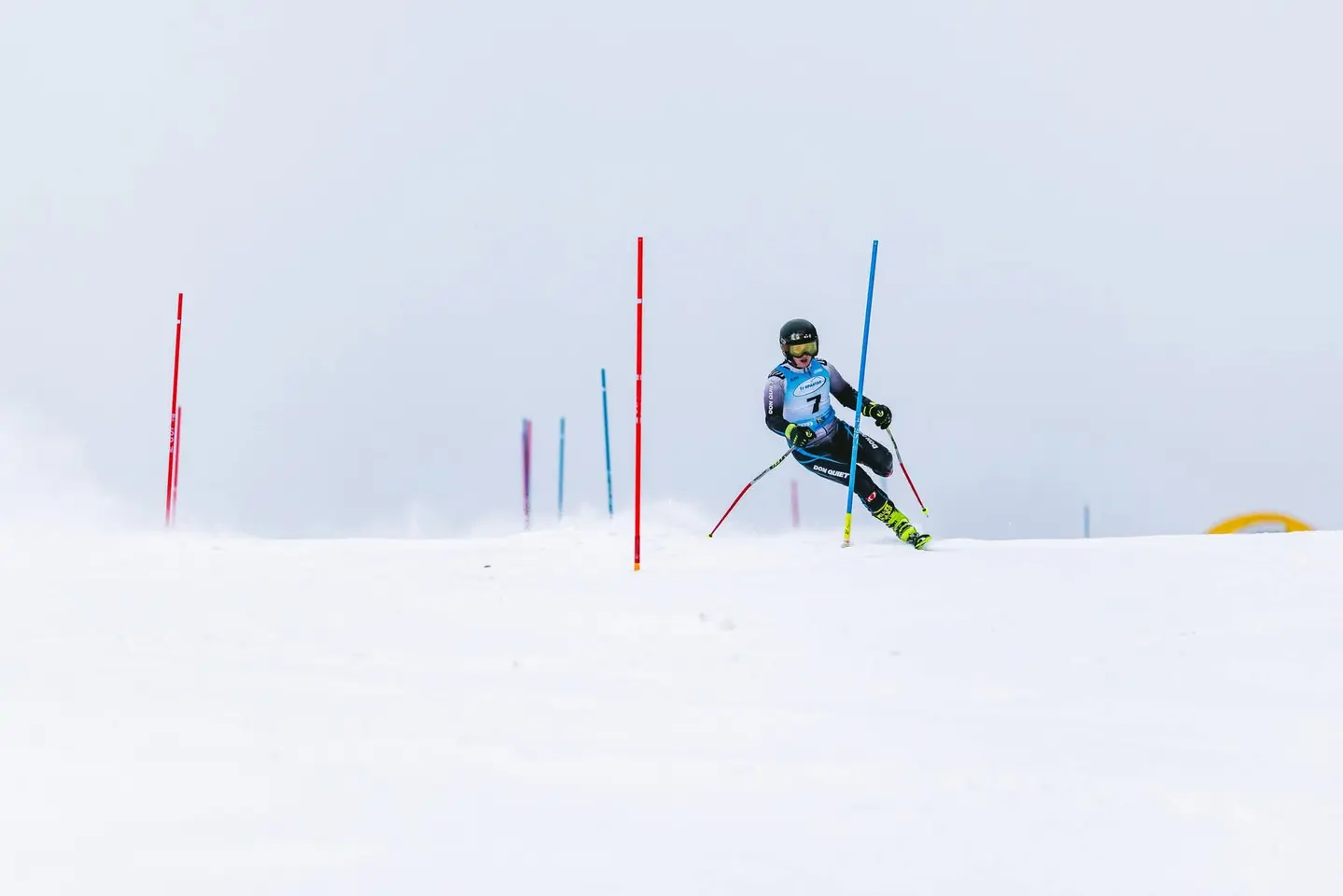
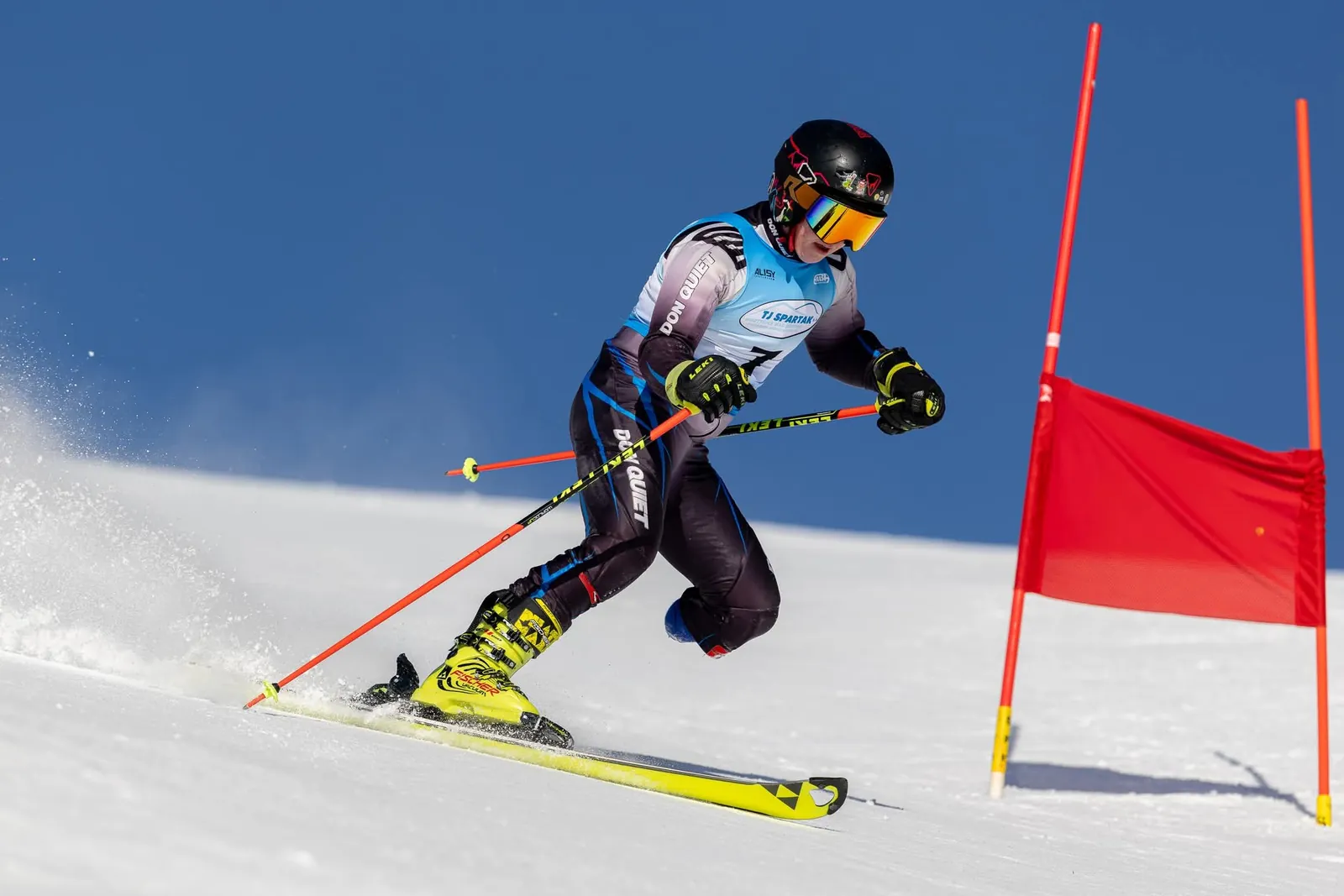
I raced in alpine skiing at my local hill in Mosty u Jablunkova, competing from beginner to youth categories at a national level.
I achieved 6th place at the Czech Championship and 3rd at the Moravian Championship in slalom. At the prestigious Slovak race "O Goralský klobúčik," I placed 5th.
My Story
It all started at age 15 with ankle pain, likely from overuse. Doctors couldn't determine the cause. After a year-long break, I returned to sport, already relying on pain medication.
At 19, on Christmas 2021, I stopped walking. My red, swollen, and painfully sensitive ankle was soon joined by my knee. Despite every available examination, no diagnosis was made.
My leg would alternate between hot and red, or purple and cold. The temperature difference was as much as 12 degrees. For a year and a half, I was essentially bedridden — my body was incapable of anything.
Antibiotic treatment began, lasting 2.5 years in total. I also took strong medication from Australia, which had no effect. Through long and difficult rehabilitation, we managed to regain at least some movement in my knee. My physiotherapist saved it — she did an enormous amount of work.
In 2024, my ankle began to deteriorate, leading to frequent hospitalizations with intravenous antibiotic treatment and strong analgesics.
I saw specialists across orthopedics, rheumatology, surgery, and rehabilitation, along with many physiotherapists — as well as a lymphologist, infectologist, pain specialist, and vascular surgeon. Part of the treatment also included alternative medicine, but without any positive effect. I underwent countless MRIs, scintigraphies, ultrasounds, X-rays, and many blood tests.
Eventually I went through oncology, followed by a bone biopsy and tissue cleaning due to a developing septic condition. The situation was complicated by thrombosis and even more unbearable pain. It felt like a ball of fire was tied to my ankle.
In May 2025, after 7.5 years, a pain specialist finally determined the diagnosis… CRPS in its final stage (a very painful neurological disease). I was sent to the Pain Treatment Centre, where an epidural catheter was inserted (a neurostimulator was being considered for the future). But even this came with complications and had no effect. Two days later, a spinal infection developed — and instead of saving my leg, they were fighting to save my entire body.
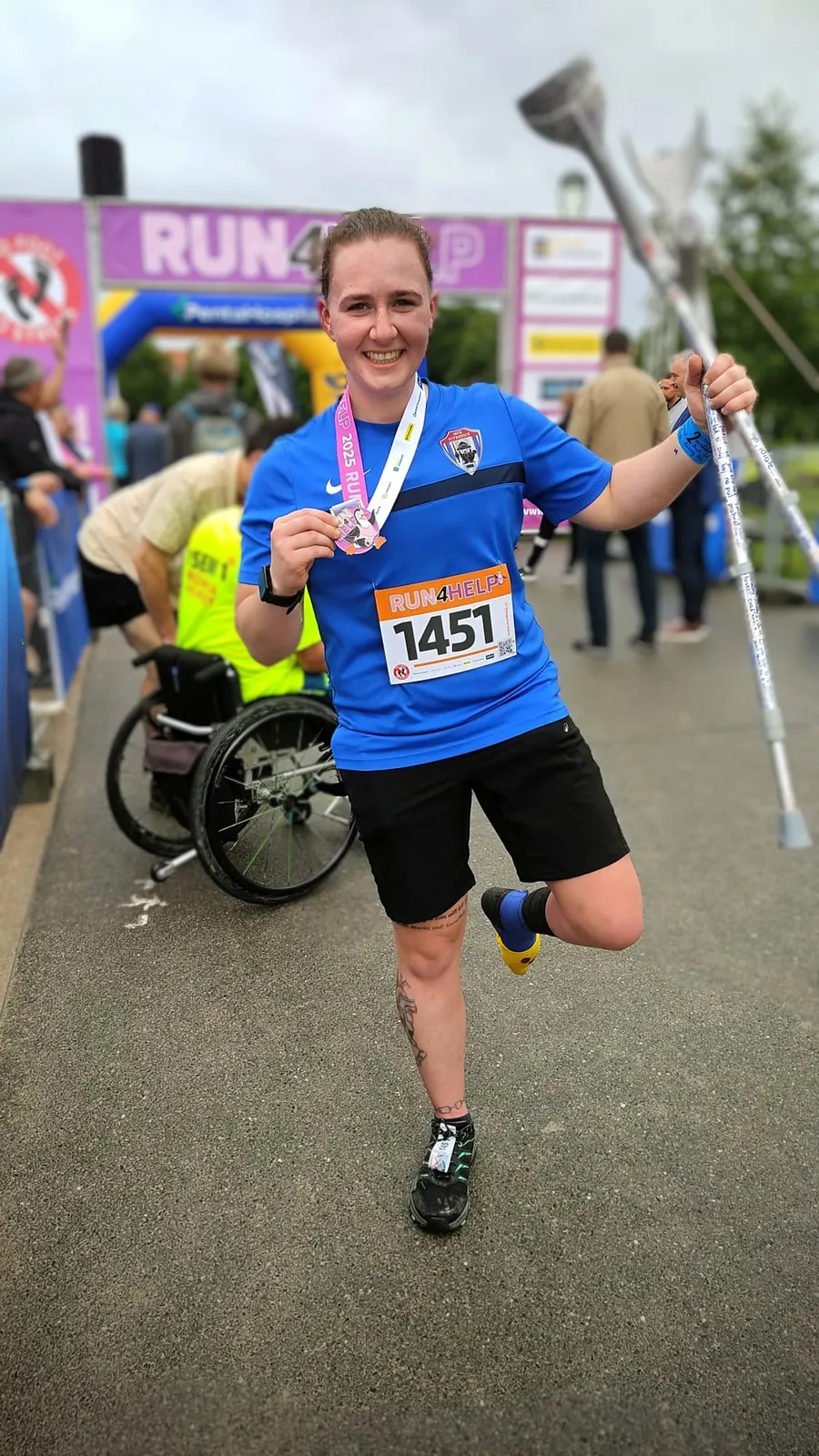
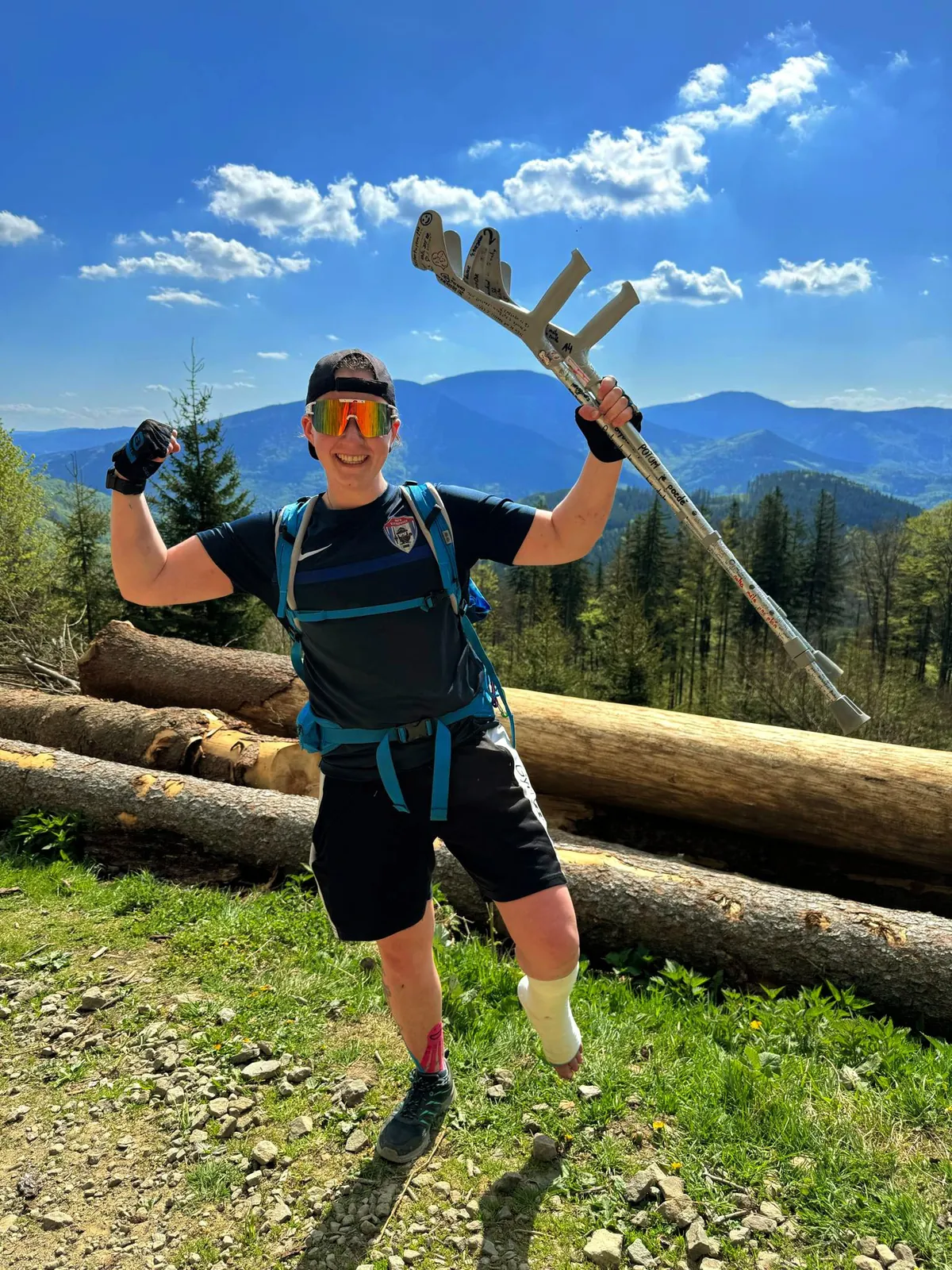
In September, the arteries in my affected limb closed and there was no more time to wait. My leg was amputated below the knee. Amputation was the last option to improve my quality of life.
After the amputation, the pain didn't disappear, but it lessened. The problem was never just in the leg — it originated from higher levels of the central nervous system. I still take strong pain medication, including for neuropathic pain.
What is CRPS
CRPS — Complex Regional Pain Syndrome. It most commonly develops after injury, casting, or surgery.
It is a nervous system disease in which the body sends constant pain signals to the brain, even when there is no physical reason. The pain is disproportionate to the original injury. The earlier the syndrome is diagnosed, the greater the chance of recovery.
The affected limb reacts disproportionately — severe pain, swelling, changes in skin colour and temperature, sensory disturbances, and gradual loss of mobility.
Treatment includes pharmacotherapy and early, pain-free rehabilitation, with involvement of a pain specialist and neurologist. Psychotherapy is also recommended due to long-lasting pain.
In more advanced cases, a neurostimulator may be considered, as it can help manage pain and slow disease progression. The patient must undergo trial medication and examination by a multidisciplinary team. The treatment is very expensive, exceeding half a million Czech korunas.
Amputation is not standard for this condition — it is extremely rare due to the high risk of worsening the disease. CRPS can spread to another part of the body or even to the remaining limb, making prosthesis use more difficult.
My Goal
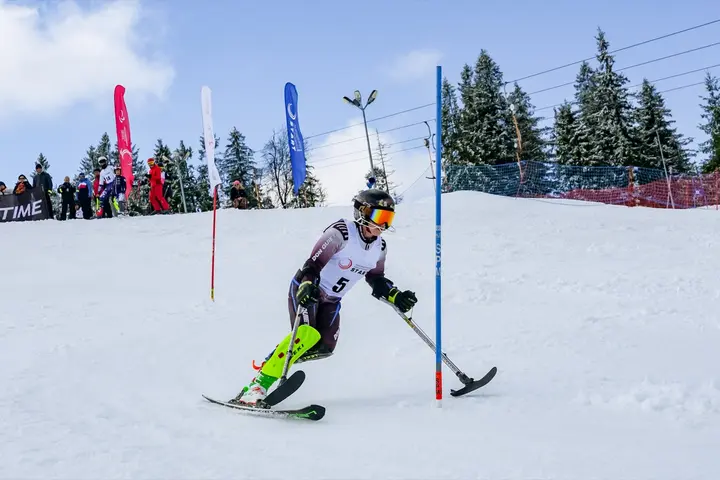
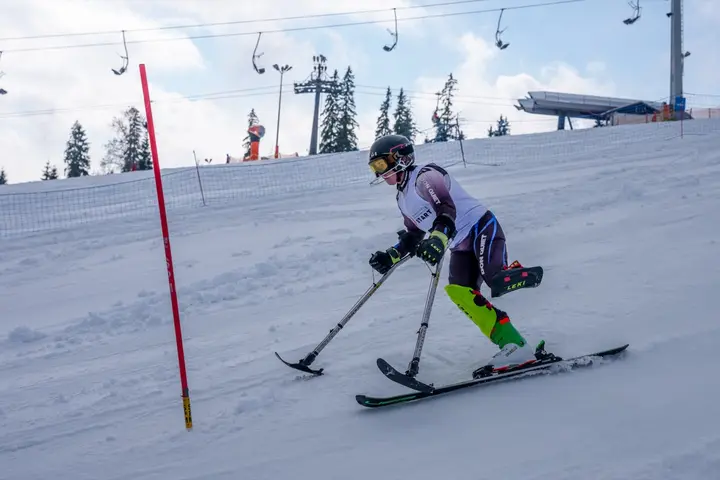
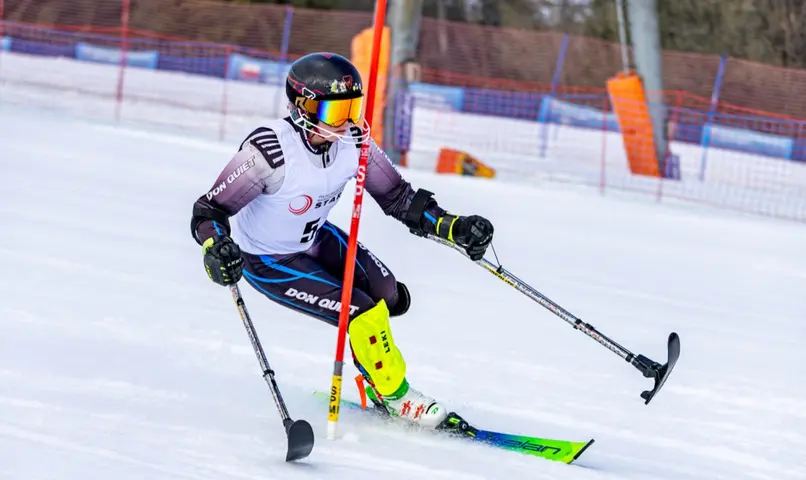
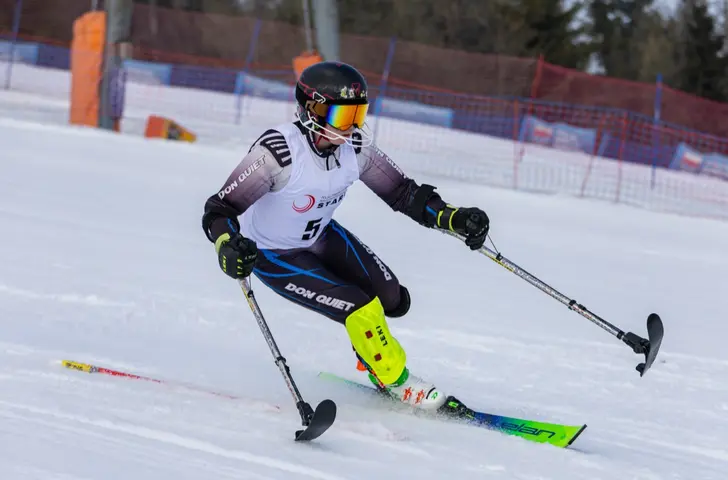
Sport taught me perseverance, discipline, and to never give up. It helped me endure years of pain, uncertainty, and fear. Skiing was more than just a sport for me — it kept me from giving up.
Due to the illness, I had to interrupt my final year of nursing school. Thanks to my teachers and the school management, I was able to focus more on my treatment — and received enormous support. With a prosthesis, I'll be able to finish my last year.
My main goal is to return to normal life, be self-sufficient, and manage everyday activities.
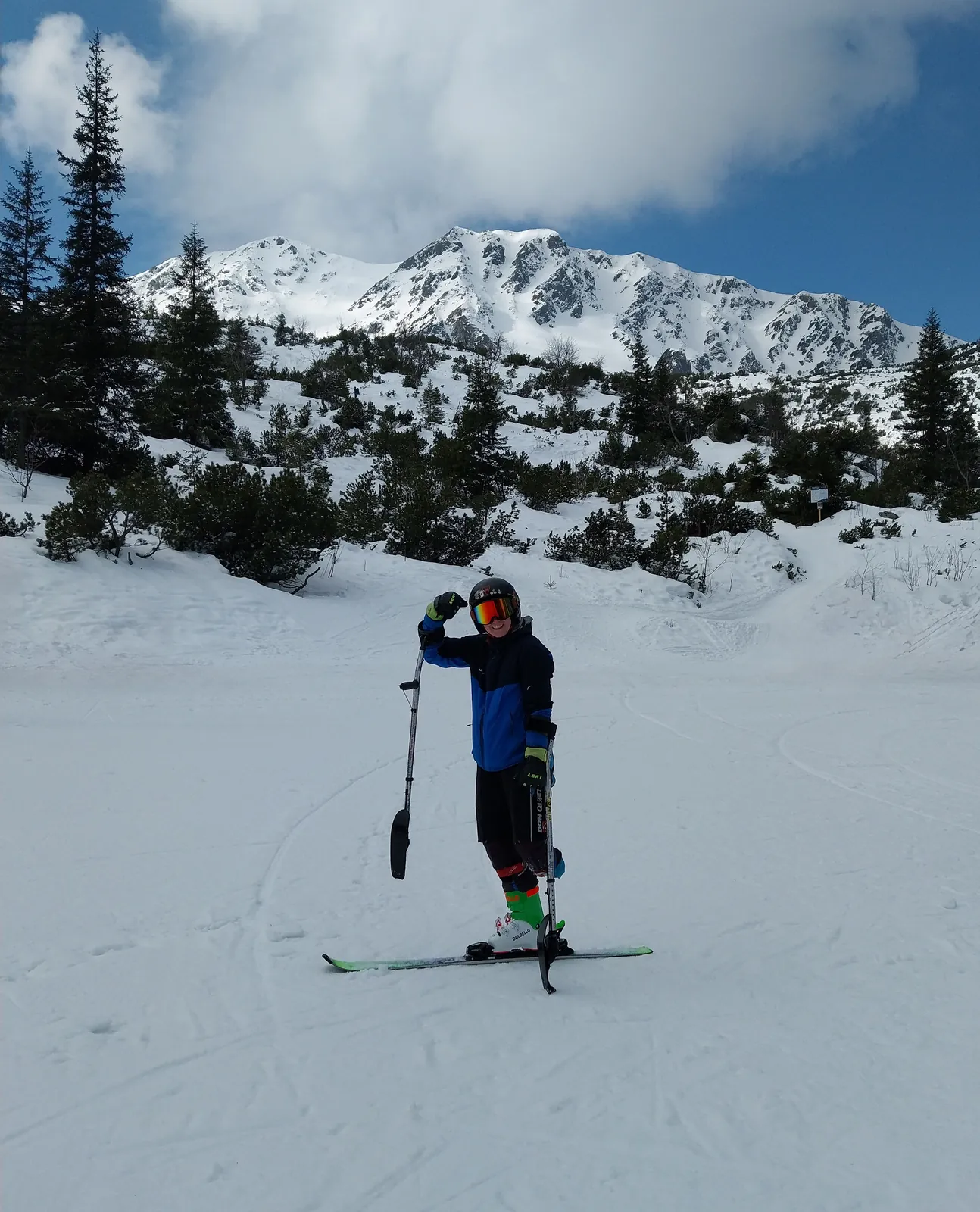
My dream is to reach the World Cup circuit and represent the Czech Republic at the World Championships and the Paralympics. It's still just a hope, not a certainty. But that's exactly why every small step has enormous meaning for me. Sport is my driving force.
Use of Donations
Financial donations will be used for costs related to healthcare, assistive devices, and sports preparation:
- A sports prosthesis not covered by insurance, or a wheelchair. Due to the neurological disease, it's uncertain to what extent I'll be able to use the prosthesis.
- Intensive rehabilitation, sports physiotherapy, and assistive devices.
- Sports preparation and skiing equipment for disabled athletes.
- Costs associated with limited mobility for people with disabilities.
- Expenses related to CRPS, which did not disappear after the amputation.
My Supporters
A big thank you goes to all the partners, sponsors, and foundations who stand behind my journey.
Your support means much more to me than just sport. It helps me find my way back into life, regain my strength, and do what I love. Thanks to you, I can push my limits every day and show that even with a disability, it's worth going all in.

Contact
If you'd like to get in touch or follow my journey: